
Best Plain T-Shirts for Printing in 2026: Ranked
Plain t-shirts built for printing need a different spec sheet than plain t-shirts built for everyday wear — the fabric has to sit flat under a heat press, the collar can't pucker after a wash, and the colour has to hold pigment instead of fighting it. This guide ranks the five plain t-shirts worth building a print run on in 2026, and tells you what to skip.
- The Classic White Tee is the safest base for plain t shirts for printing in 2026 — buy it for DTG and vinyl work.
- The Classic Black Tee holds puff and screen print better than any dyed tee in this list — buy it for bold graphics.
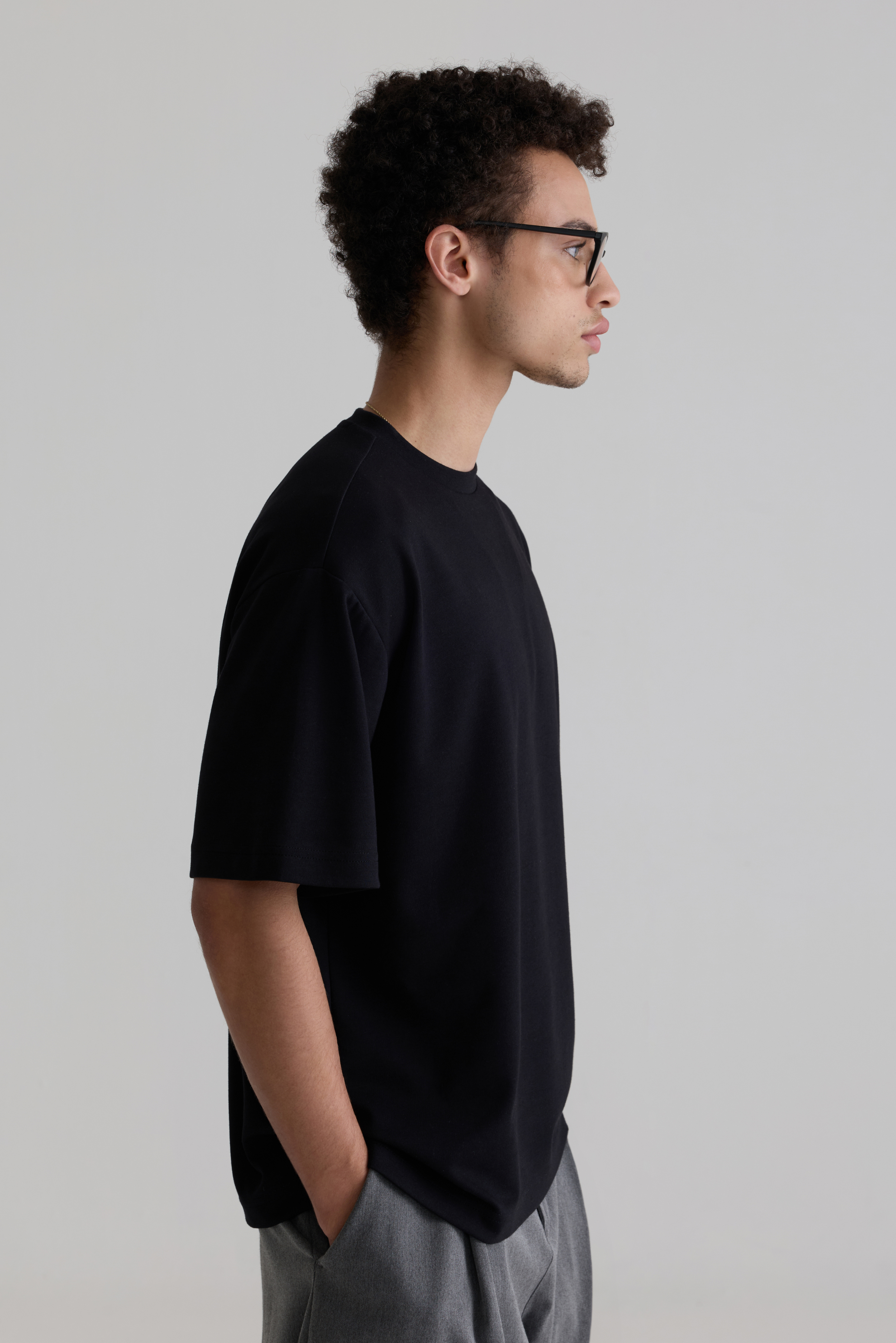
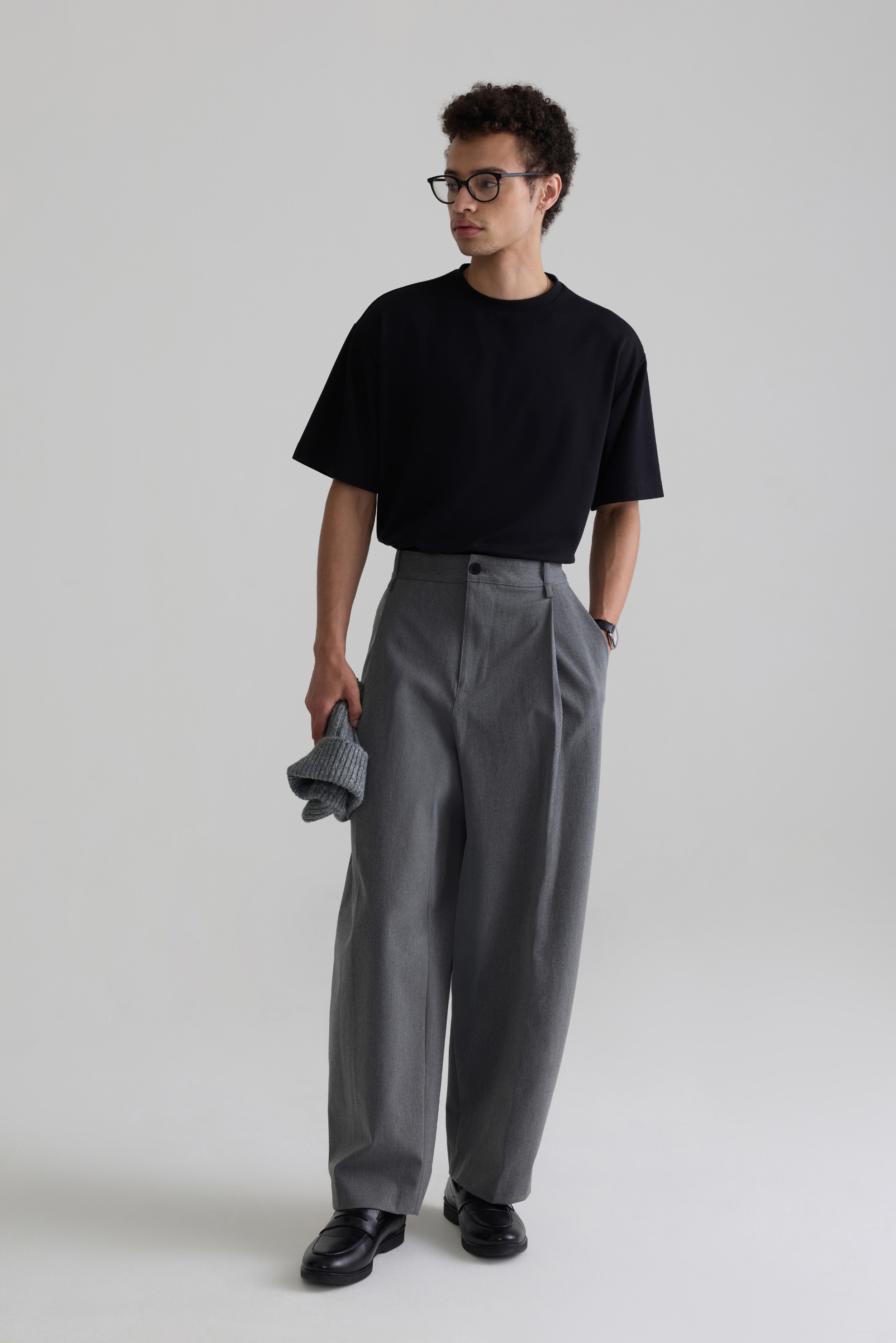
- Black Relaxed Cut FLO gives you the widest flat print area for oversized chest-to-hem designs — consider it for streetwear drops.
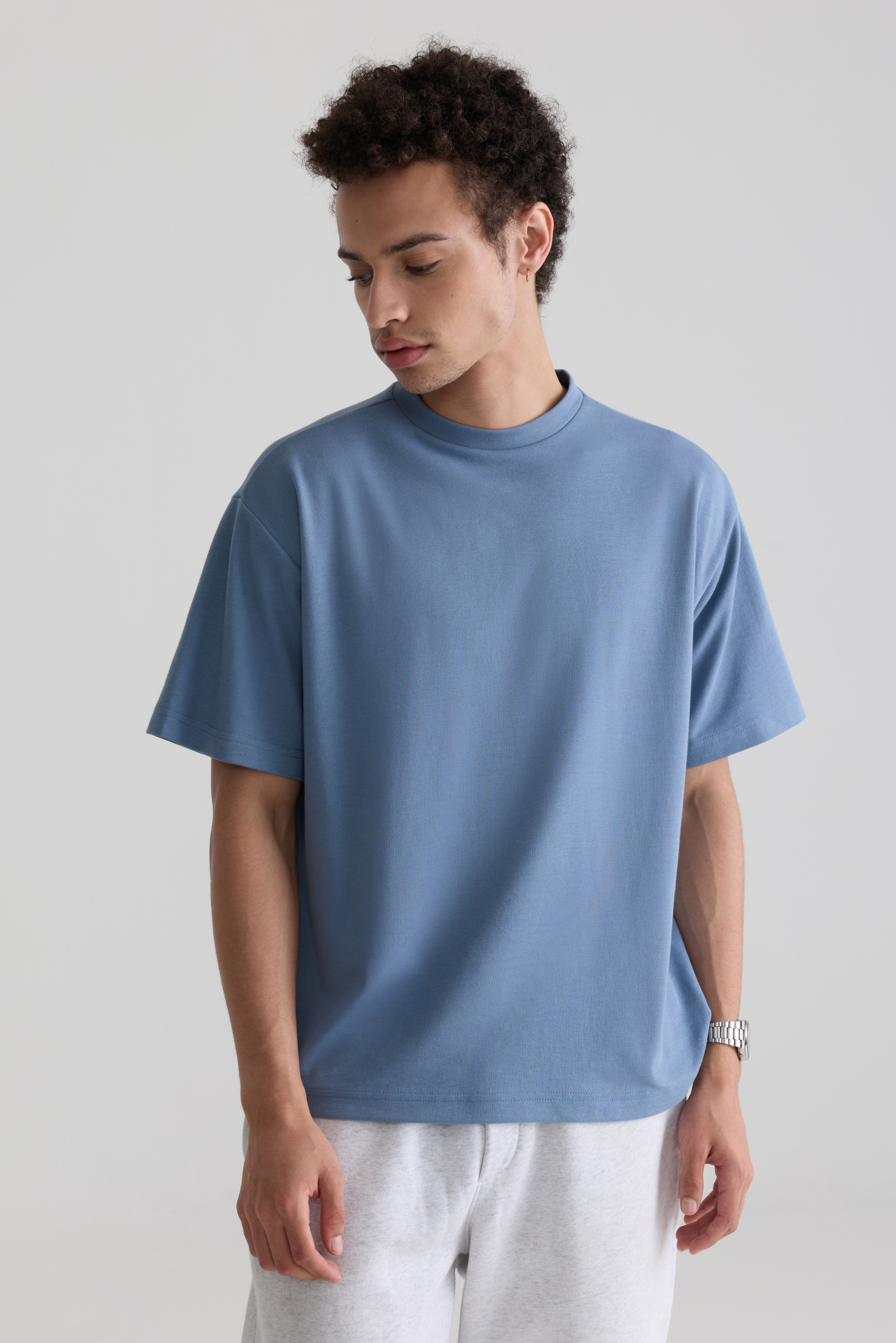
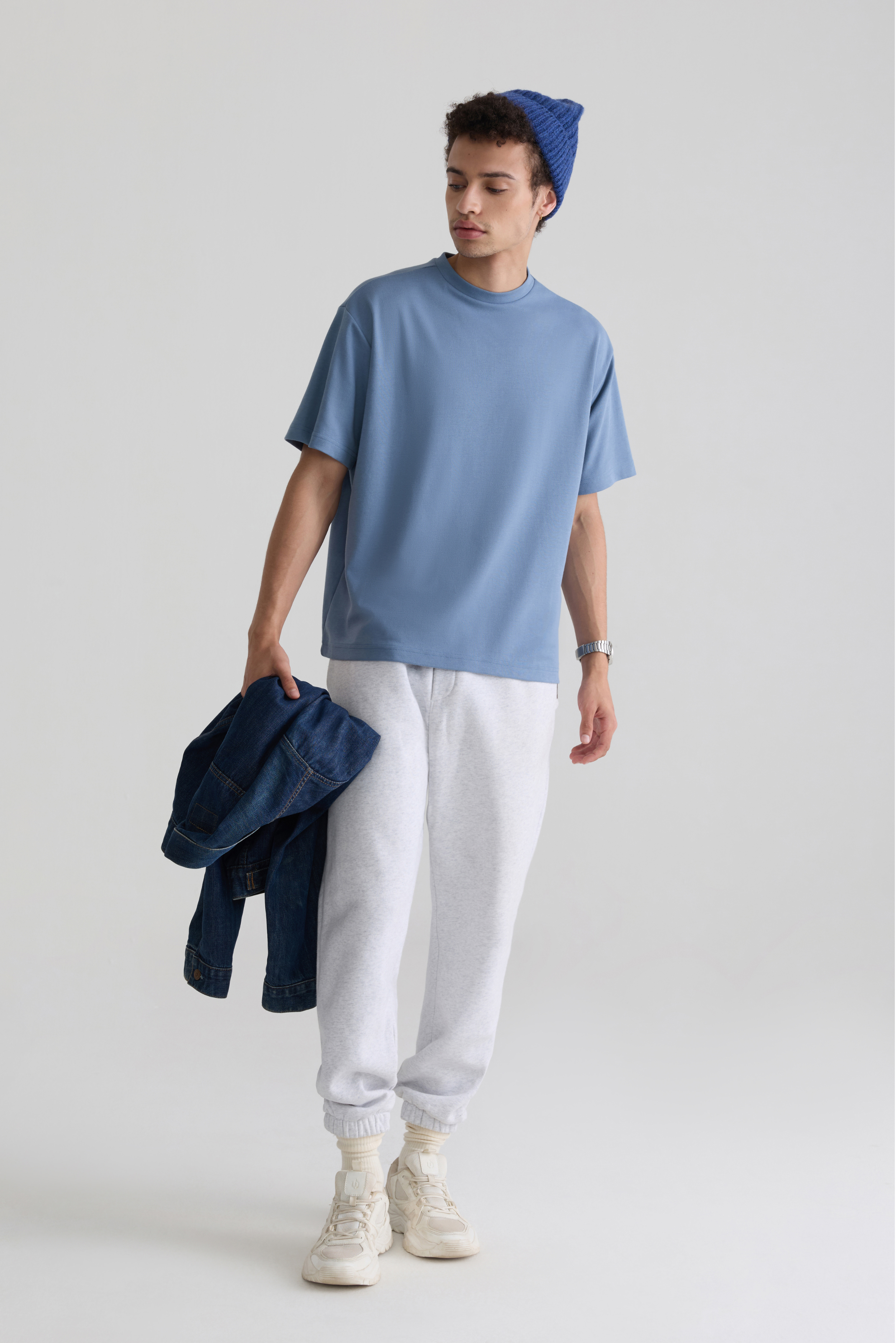
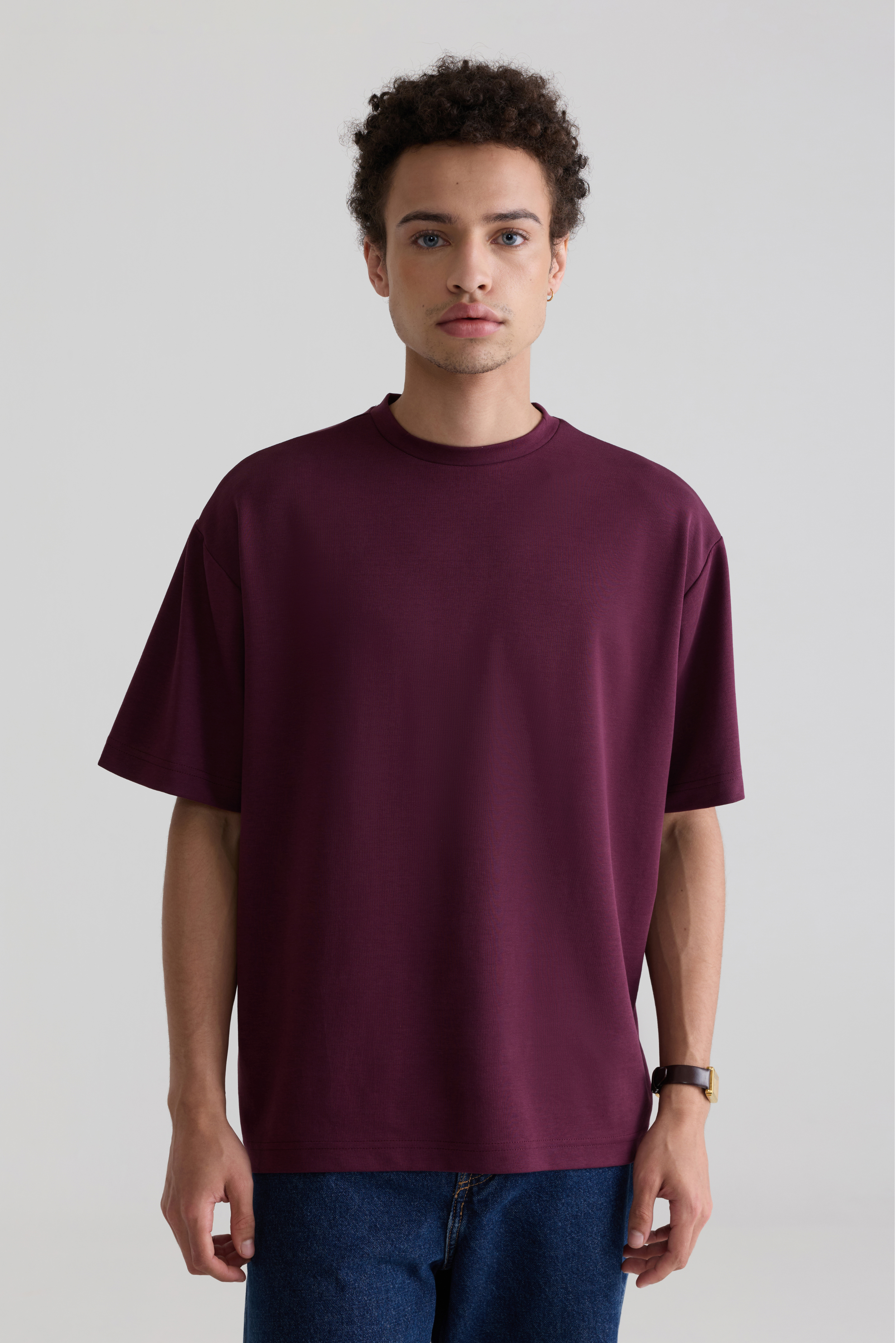
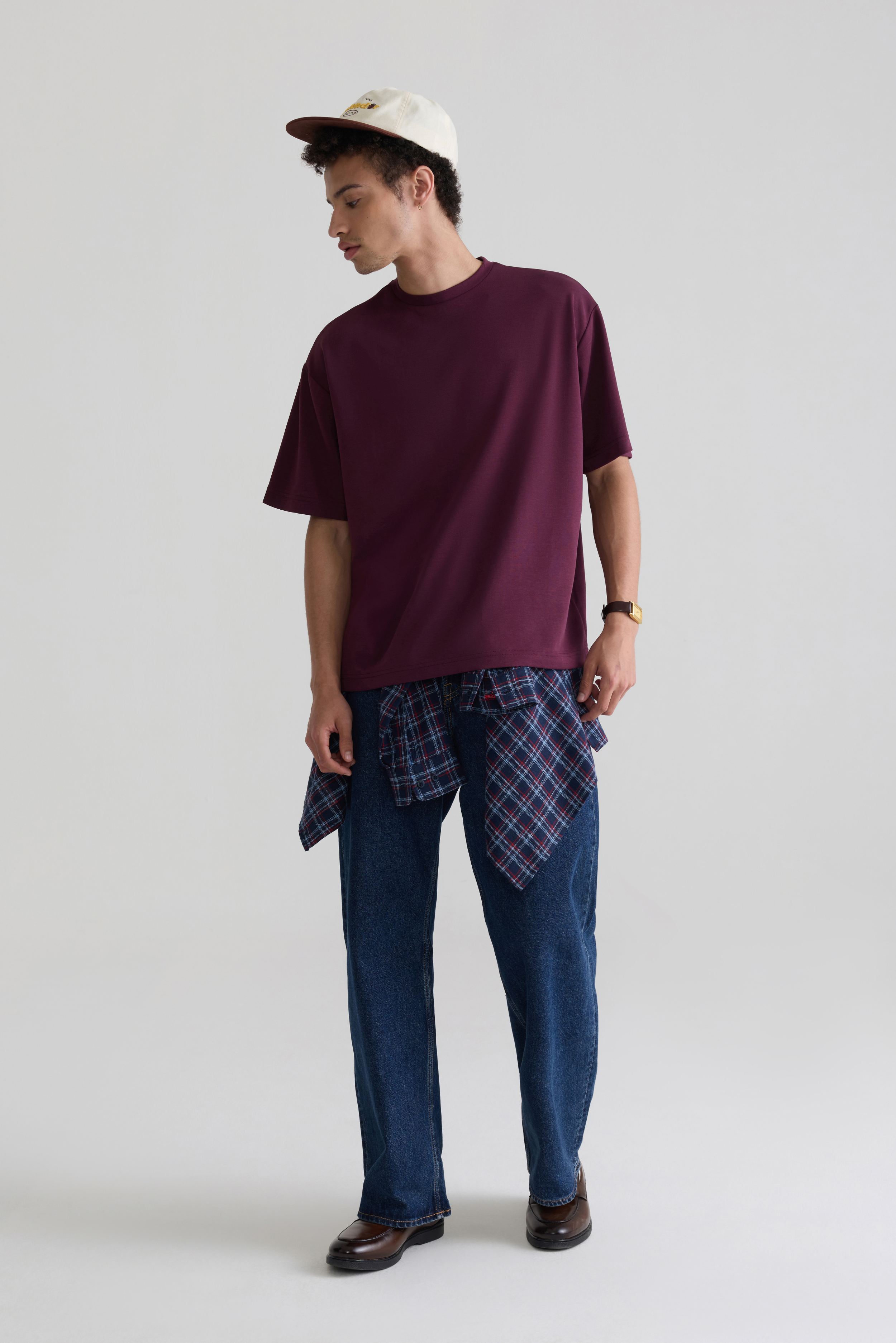
- Fig Relaxed Cut FLO is the wildcard colour pick for brands that want their prints to stand out on a non-white base — consider it.
- Skip anything pre-printed or heavily washed — the surface texture fights new ink and the base colour is already committed.
Why this matters
Most people shopping for plain t-shirts for printing default to whatever is cheapest on a wholesale site, then discover the fabric shrinks unevenly after the first wash or the collar seam shows through a DTG print. Print quality is only as good as the blank underneath it — a 180 GSM tee behaves completely differently under a heat press than a 220 GSM one, and the difference shows up after the third wash, not the first.
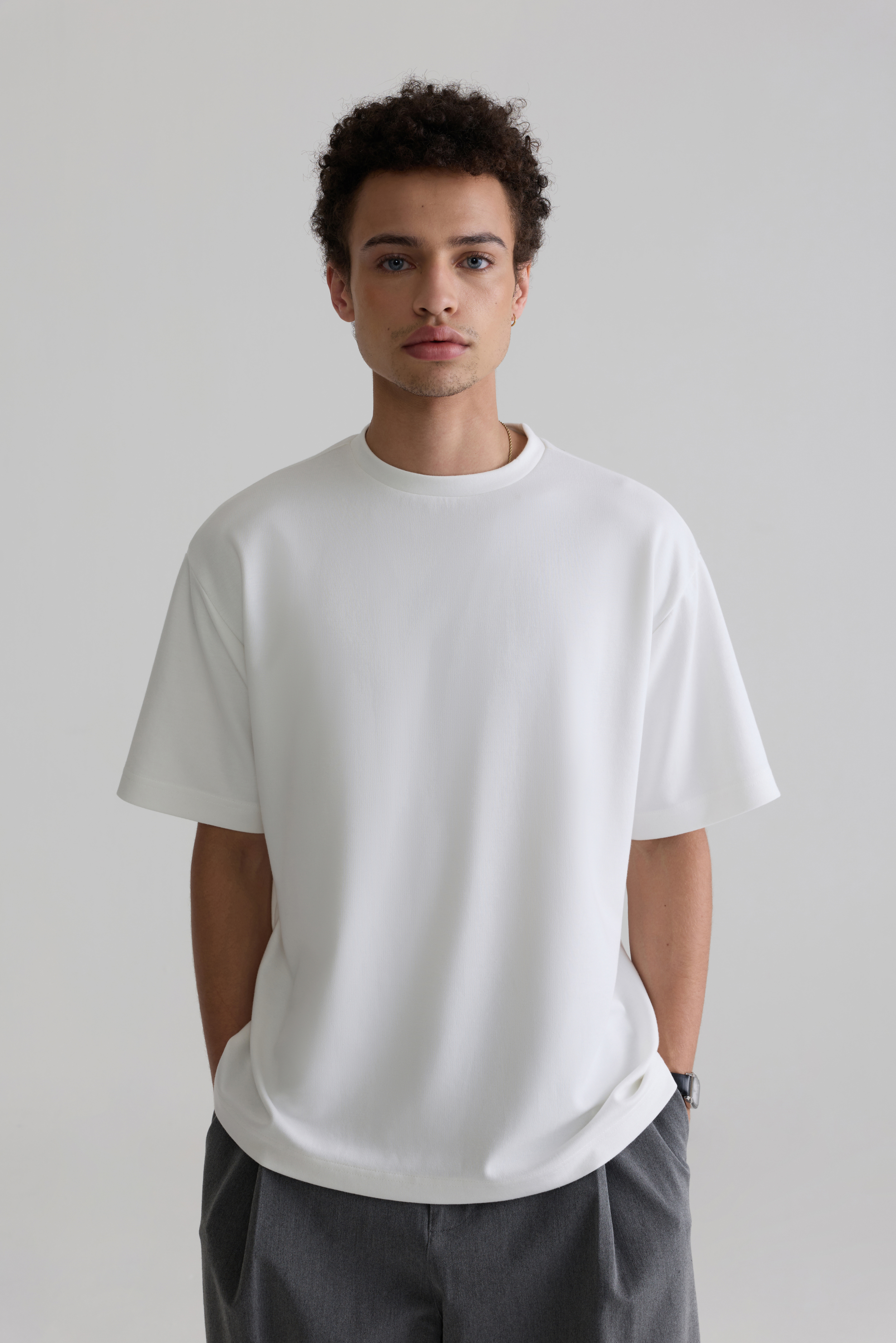
Carpe Diem Store's The Classic White Tee is the reference point for this guide because it's built as a blank canvas first — no branding graphics baked into the fabric, no dye variance across batches. That's the exact profile you want when you're buying plain t-shirts for printing at scale in 2026: consistent GSM, consistent shrink rate, consistent print surface.
How we ranked
Each tee on this list is judged against four things that actually matter for printing: fabric weight (lighter cotton below 180 GSM tends to show ink bleed-through), flatness of the print zone (side seams and curved hems distort transfers), colour consistency across sizes, and how the base colour performs after 20 to 30 wash cycles — the point where cheap dyed cotton starts fading unevenly around a print.
The ranking favours plain, undecorated bases over anything with an existing graphic, because a printer needs a clean surface, not a competing design. Pricing, fit range (S to XXL where listed), and fabric composition come directly from each product's own listing on Carpe Diem Store — nothing here is guessed.
The ranked list
1. The Classic White Tee — the safe pick
White is still the default base for a reason: it shows true colour on both DTG and screen print, with zero risk of the underlying fabric shade shifting your design's tone. The tee holds a flat, seam-light chest panel that gives a print roughly an A3-sized clean zone to work with (11.7 x 16.5 inches) before you hit a side seam.
It's the tee every print shop asks for first because there's no colour correction needed on the file before it goes to press. Verdict: Buy — this is the default blank for 2026 print runs.
2. The Classic Black Tee — the contrast pick
Black cotton is harder to print on than white — pigment ink needs a white underbase before colour goes down, and cheap black tees fade to grey after a dozen washes, taking the print's contrast with them. The Classic Black Tee is built as a proper plain base rather than a washed-down black, which means the underbase step actually holds.
For puff print and screen print work specifically, a stable black surface reads bolder than white ever will. Verdict: Buy — pick this when the design needs contrast, not subtlety.
3. Black Relaxed Cut FLO — the oversized-print pick
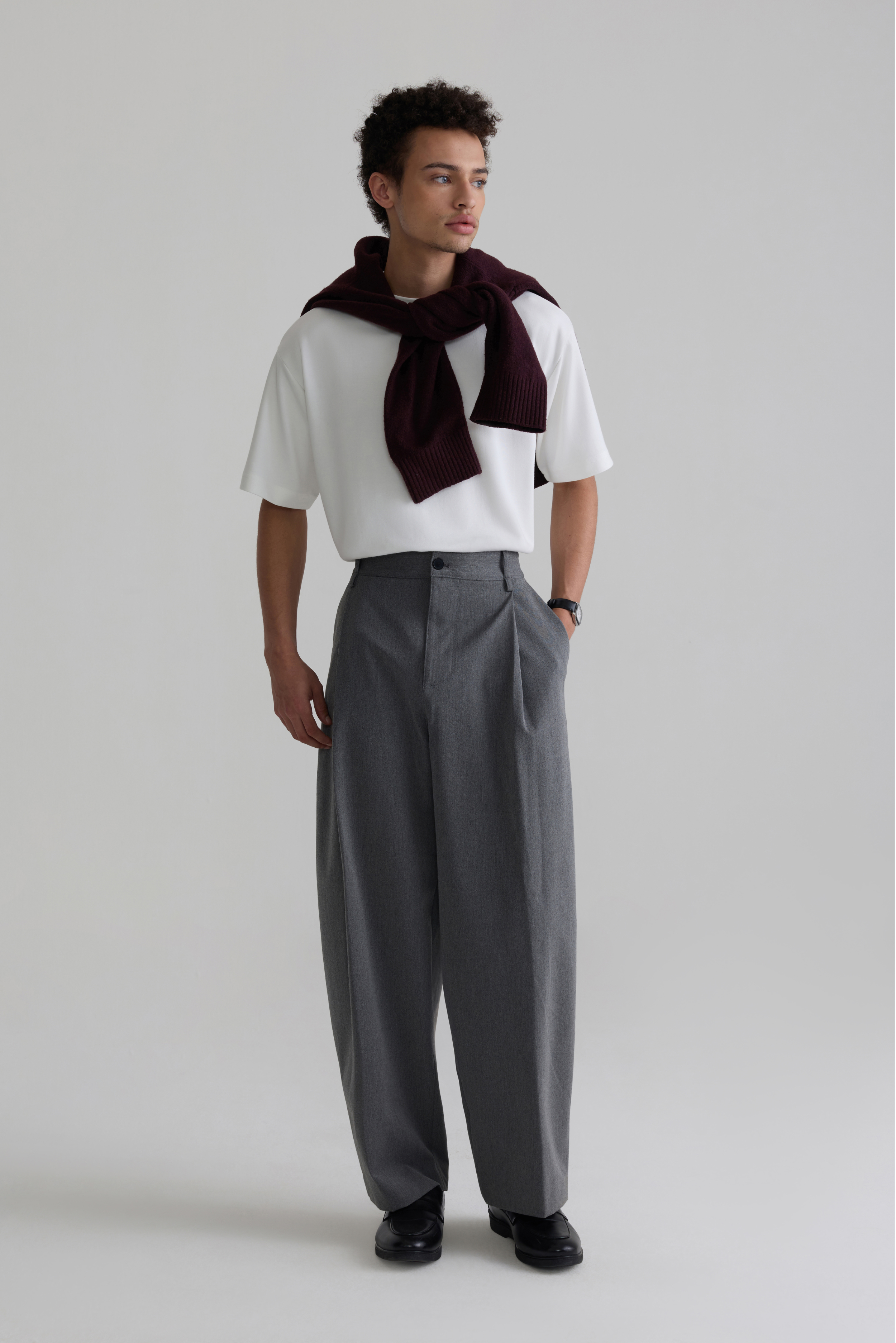
Oversized streetwear graphics — full chest-to-hem prints, back panel designs — need more flat fabric than a fitted tee gives you, and a relaxed cut avoids the side-seam curve that distorts a large transfer. Black Relaxed Cut FLO uses FLO fabric, built specifically to disappear under wear rather than announce itself, which is exactly what you want when the print is doing the talking.
The relaxed silhouette also means the fabric sits flatter under a heat press than a fitted cut does, cutting down on wrinkle-lines through the design. Verdict: Buy — the pick for anyone printing oversized graphics in 2026.
4. Fig Relaxed Cut FLO — the wildcard
Most print buyers never consider a coloured base, but a muted tone like fig gives white and light-coloured ink real pop instead of getting lost against plain white. Fig Relaxed Cut FLO works for brands trying to separate a drop visually from the hundred other white-tee print runs on Instagram this year.
The trade-off: light or pastel prints need an underbase layer on a coloured tee the way they do on black, so factor that into your print cost. Verdict: Consider — only if the design is built for a coloured base from the start.
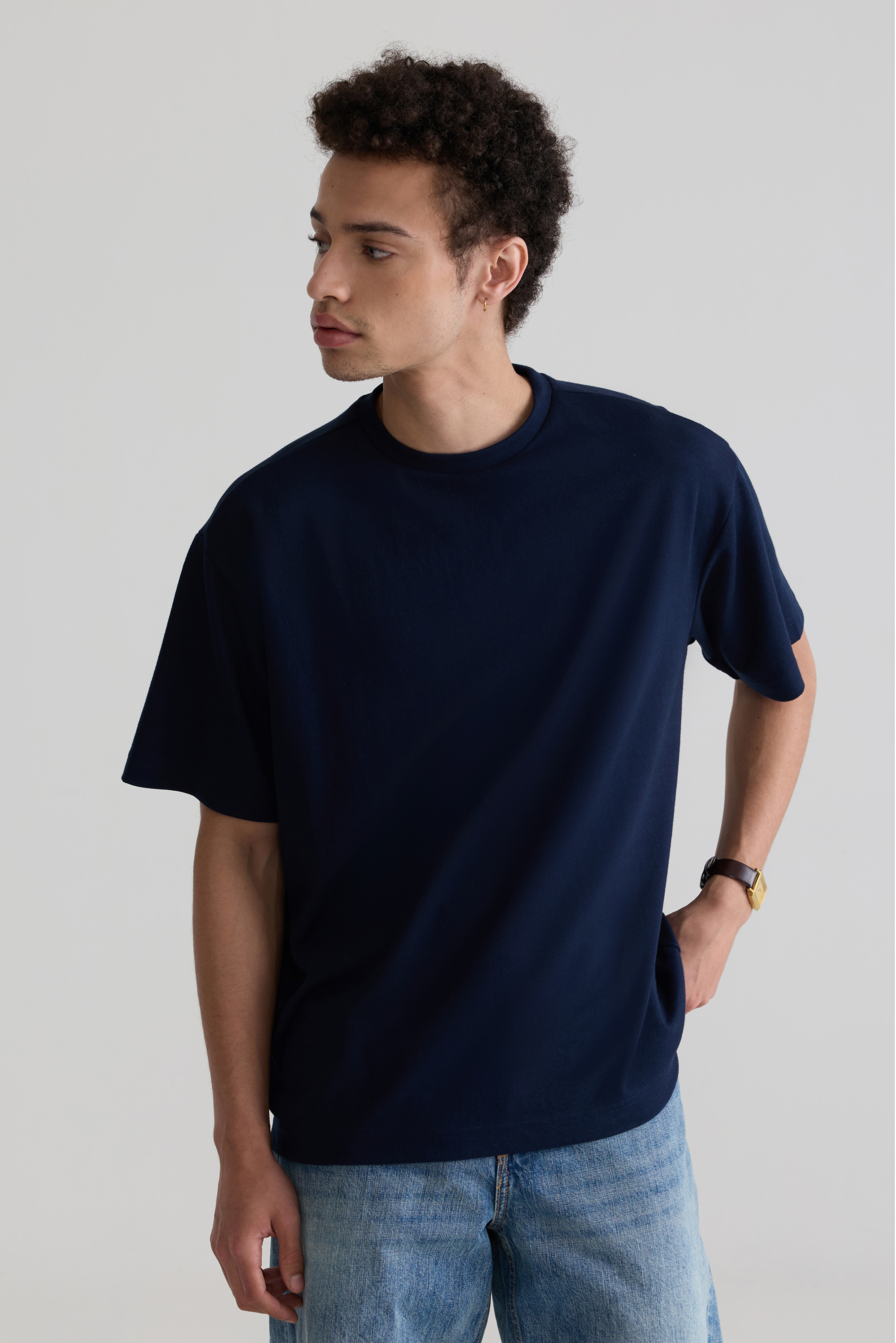
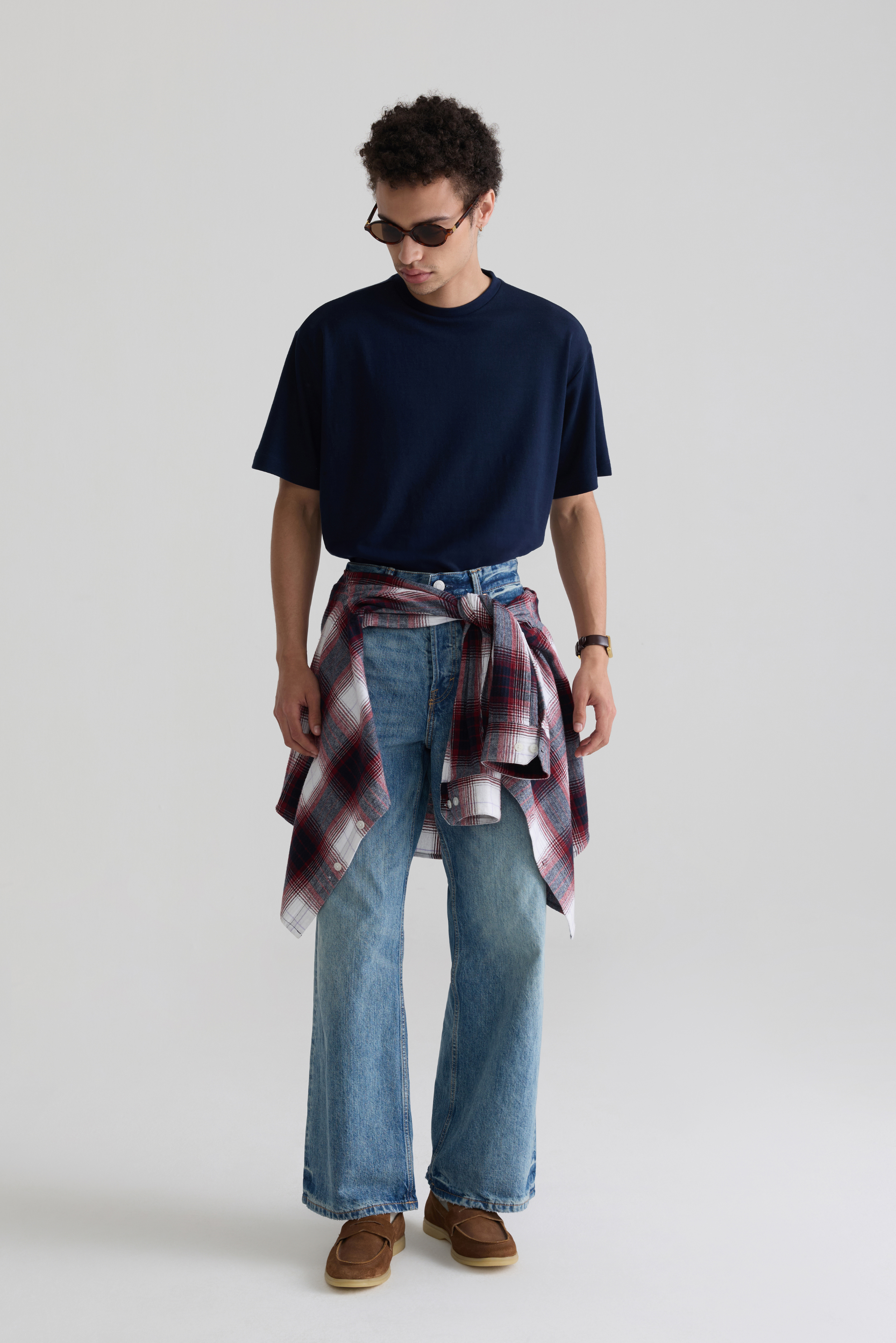
5. Deep Blue Relaxed Cut FLO — the everyday alternative
Deep blue sits between the neutrality of white and the boldness of black — a middle option for brands that want a coloured base without committing to something as loud as fig or maroon. It carries the same FLO fabric and relaxed cut as the rest of the range, so the print-flatness benefits carry over.
It reads more casual than sharp on camera, which matters if the print run is going into a retail rack next to plain white and black options. Verdict: Consider — a solid third colour option, not a first buy.
What to avoid
- Pre-printed or graphic tees — anything already carrying a design, like the flock-printed or calligraphy tees in Carpe Diem Store's own range, is the wrong base. You're paying for someone else's print and then trying to print over or around it.
- Heavily washed or acid-wash finishes — the texture that gives an acid-wash tee its look also breaks up ink adhesion, especially with vinyl and screen print.
- Anything under 160 GSM — thin cotton lets a DTG print bleed through to the inside of the tee within a few washes, which is the single most common complaint on cheap blank-tee listings.
Comparison table
| Tee | Base colour | Best print method | Print zone | Verdict |
|---|---|---|---|---|
| The Classic White Tee | White | DTG, screen print | Flat, seam-light chest panel | Buy |
| The Classic Black Tee | Black | Screen print, puff print | Flat chest panel, needs underbase | Buy |
| Black Relaxed Cut FLO | Black | Oversized DTG, screen print | Full chest-to-hem, relaxed cut | Buy |
| Fig Relaxed Cut FLO | Fig (coloured) | Screen print with underbase | Relaxed cut, flat | Consider |
| Deep Blue Relaxed Cut FLO | Deep blue | Screen print with underbase | Relaxed cut, flat | Consider |
Where to buy
- Buy directly from the brand listing rather than a reseller when you need consistent GSM across a bulk order — batch variance is the biggest hidden cost in a print run.
- Order one sample tee before committing to a bulk print in 2026 — run it through a wash test before it goes on press, not after.
- If you're printing more than 50 units, ask about size-range availability (S to XXL) before locking a design file to a size grade.
FAQ
What GSM is best for plain t shirts for printing?
180 to 220 GSM cotton is the sweet spot for plain t-shirts for printing in 2026 — light enough for DTG, dense enough to stop ink bleed-through. Anything under 160 GSM risks the print showing through to the inside of the tee.
Is white or black better for screen printing?
White is easier and cheaper to print on because it needs no underbase layer, while black needs a white underbase before colour goes down. Black gives bolder contrast for graphic-heavy designs once that step is factored into cost.
How much does a plain t-shirt for printing cost in India?
Pricing varies by fabric and brand, so check the current listing on the specific product page before ordering in bulk. Cheaper blanks often cut corners on GSM consistency, which shows up after a few wash cycles.
Can you print on a relaxed-fit or oversized tee?
Yes, and a relaxed cut is actually better for large chest-to-hem graphics because the fabric sits flatter under a heat press than a fitted cut. Side-seam curves on fitted tees distort big transfers.
Do coloured base tees work for printing?
Coloured bases like fig or deep blue work well for light-ink designs that need contrast against plain white, but they need an underbase layer the same way black does. Budget for that extra print step.
How many washes should a printed tee survive?
A properly printed tee on a stable cotton base should hold its print through 20 to 30 wash cycles without visible cracking or fading. Cheap dyed cotton tends to fade unevenly around the print well before that mark.
What's the difference between DTG and screen printing on plain tees?
DTG suits small runs and detailed, multi-colour designs printed directly onto the fabric, while screen print suits bulk runs with fewer colours and bolder graphics. Fabric flatness and GSM matter for both methods.
One last thing
The detail most print buyers miss: the print zone shrinks after the first wash before it stabilises, not the tee itself. A tee that measures a clean 11-inch print width off the rack can tighten by half an inch after wash one if the cotton isn't pre-shrunk — which is why a wash test before a bulk order matters more than the spec sheet.
Related guides
- Carpe Diem Exclusive Statement Tee — for when you want the print already done instead of sourcing a blank.